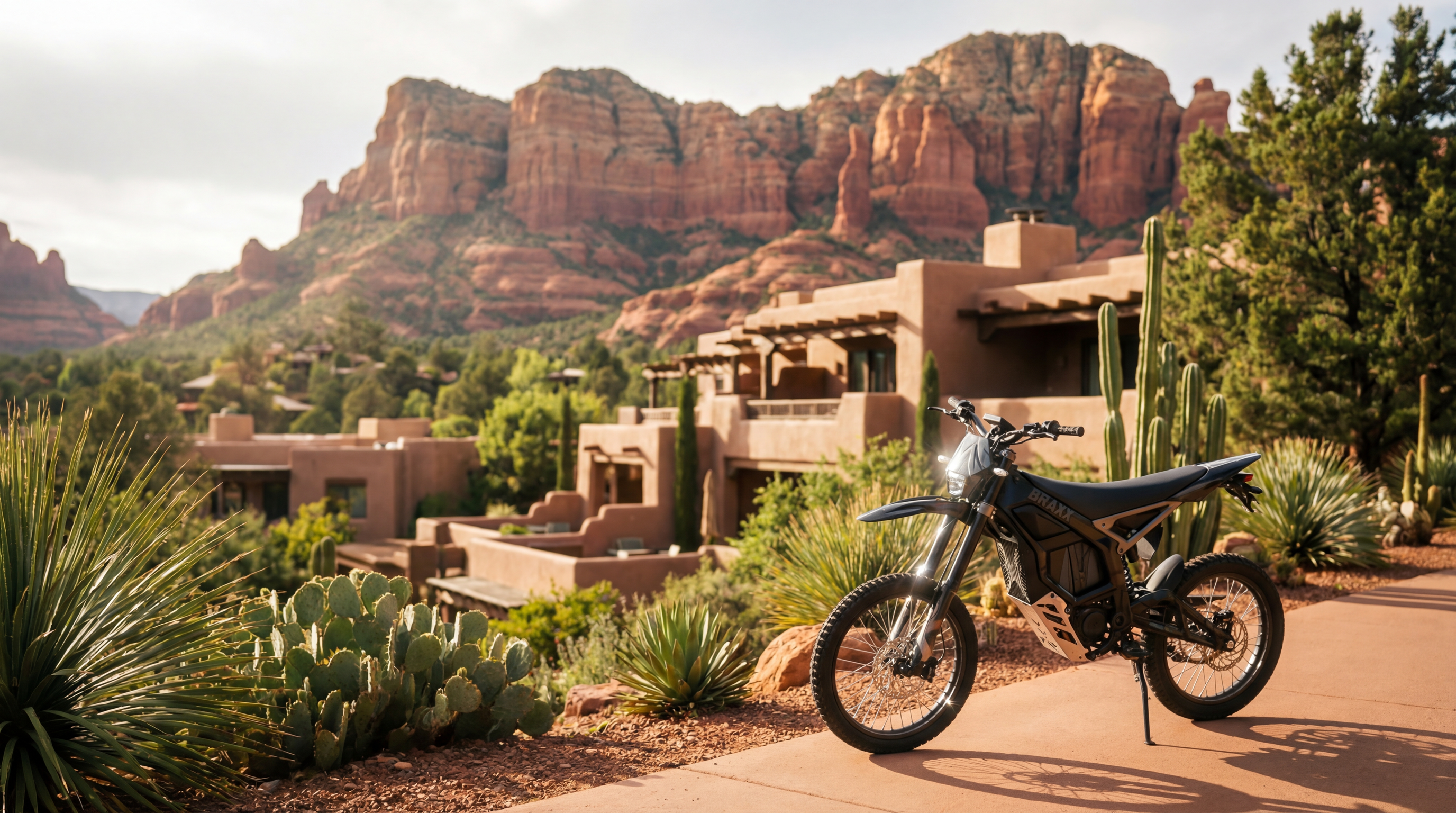
Tracing a throttle input from the handlebar sensor to the rear hub.
When you twist the throttle on a Braxx GT, a Hall-effect sensor converts the angular position into a 0–5V analog signal. The main ECU samples this at 1kHz and transmits a torque request over the CAN bus to the motor controller.
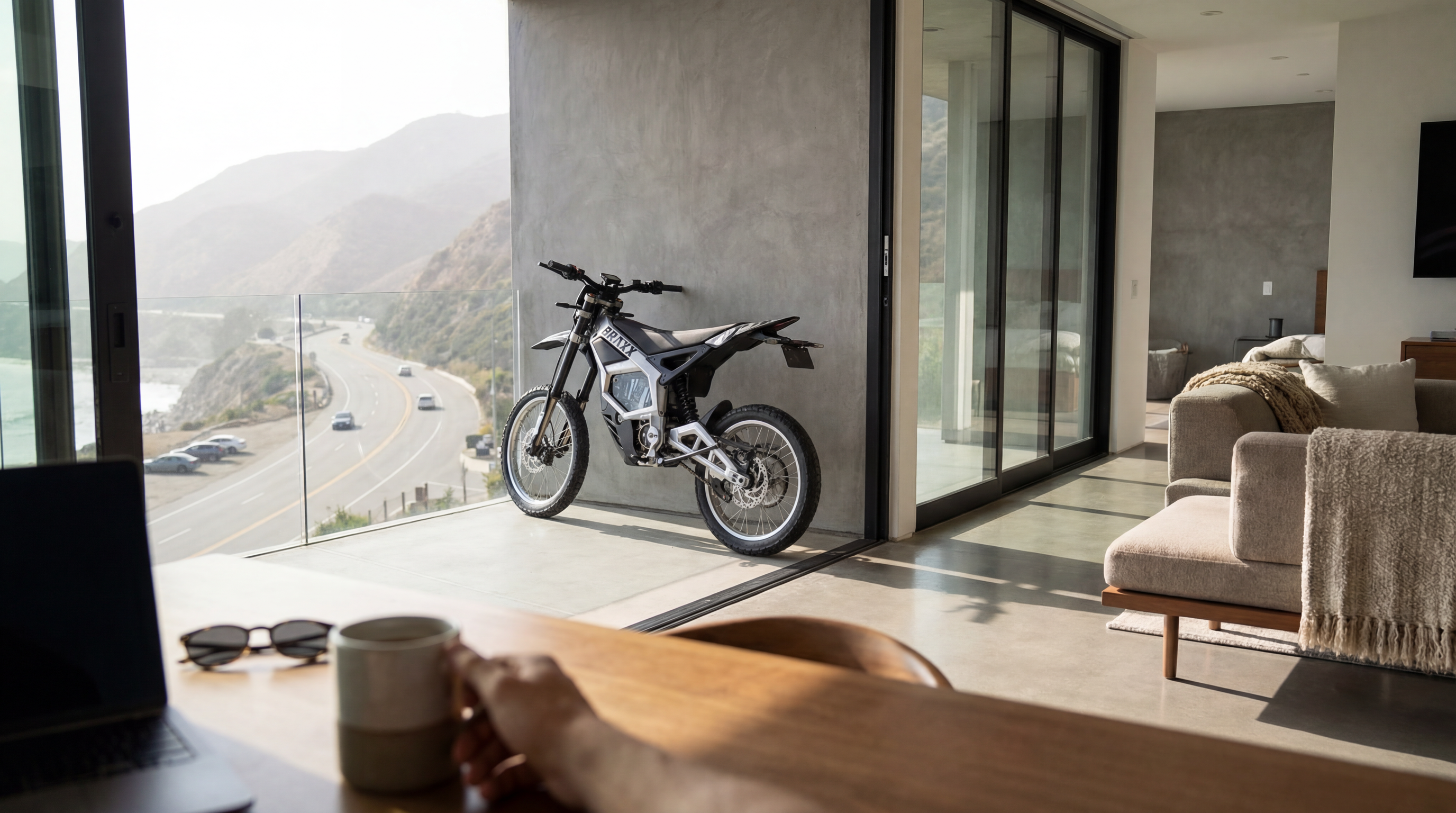
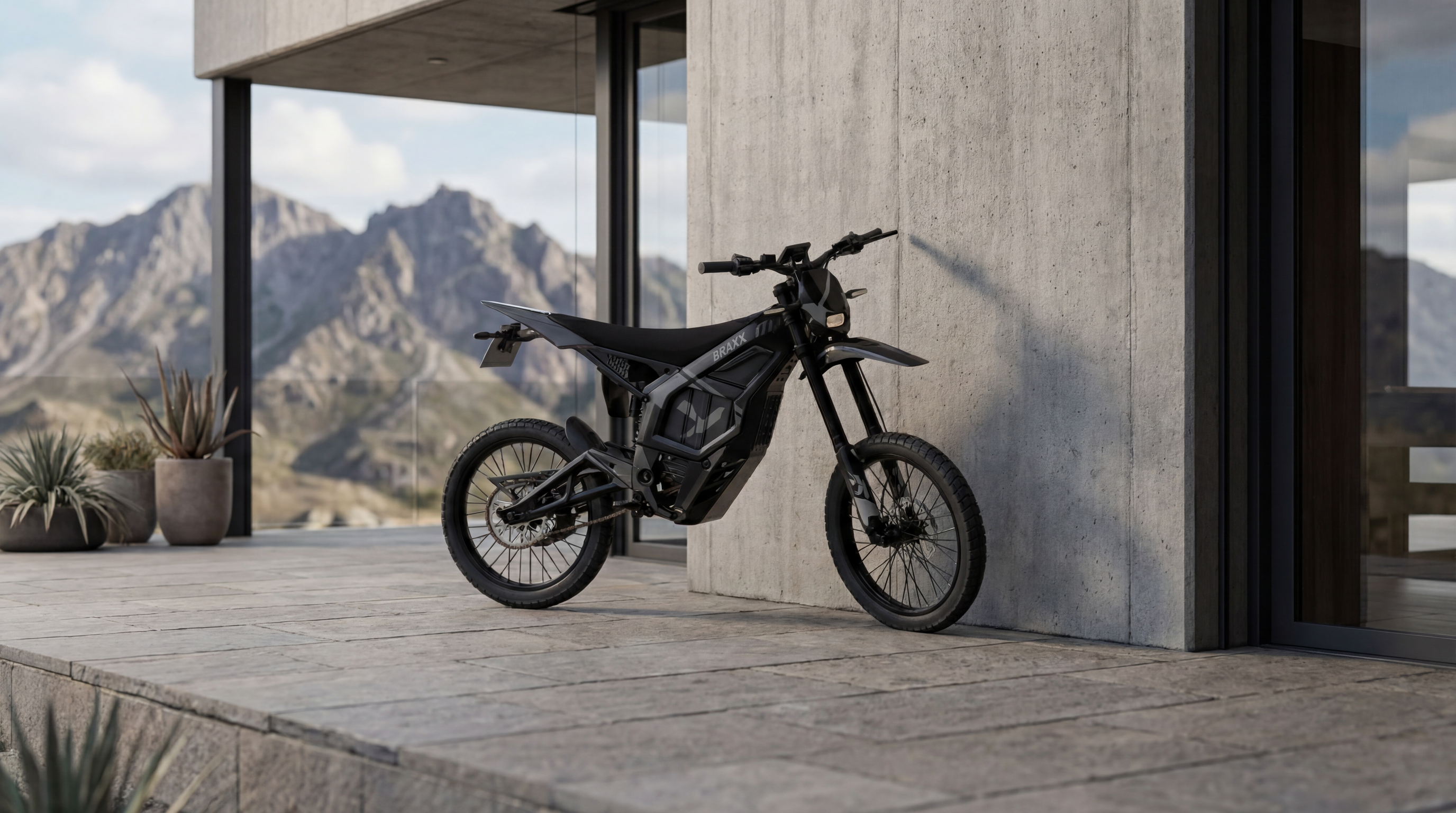
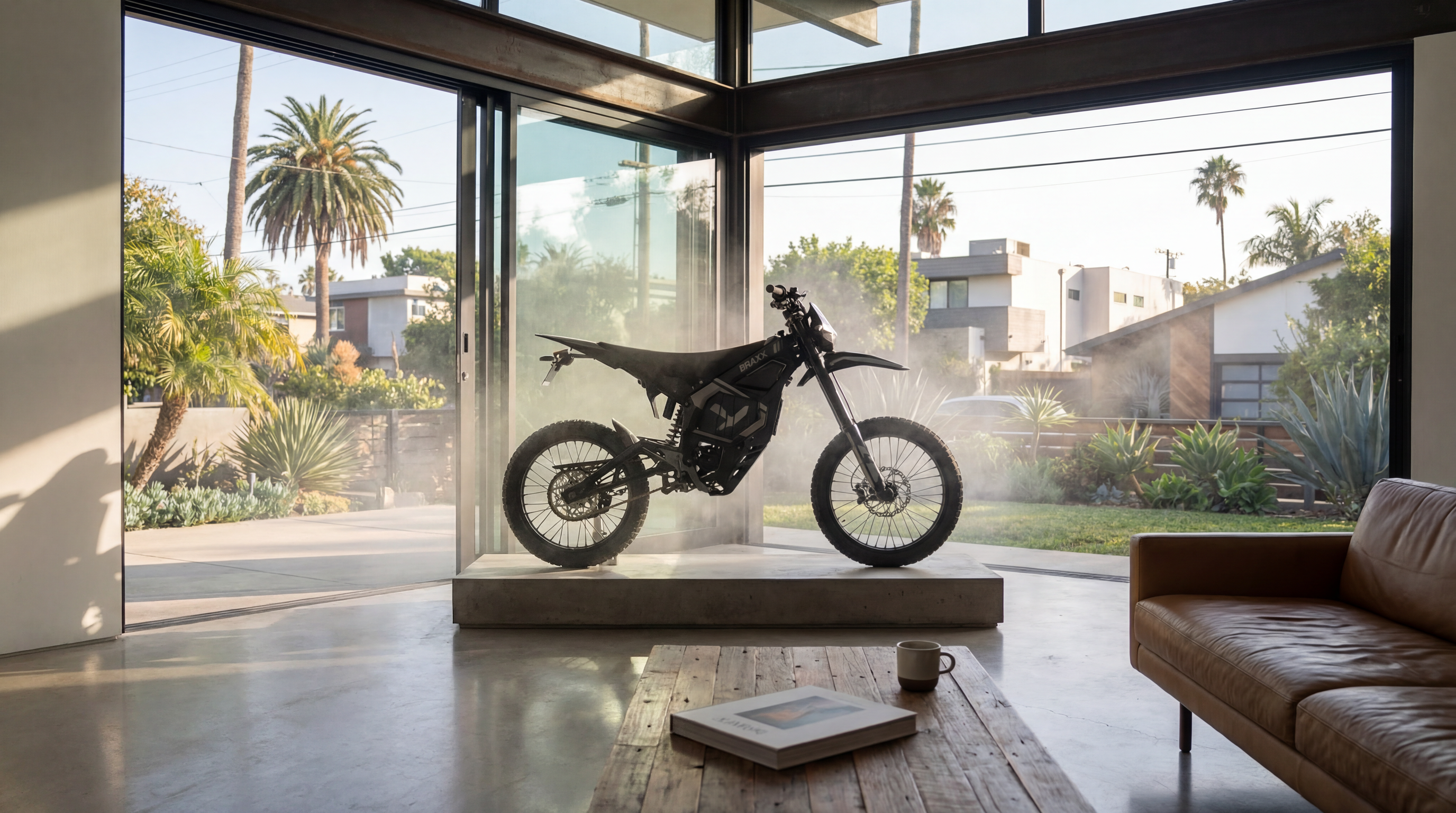
Gallery
The motor controller interprets this request within the context of current speed, battery voltage, motor temperature, and selected ride mode. It then generates the appropriate PWM signals to the six power MOSFETs in the inverter bridge.
Total latency from throttle input to wheel torque: under 8 milliseconds. That's faster than the human nervous system can perceive — making the GT feel like a direct mechanical connection between your hand and the road.
Inside the signal path
The analog front end on the throttle assembly is filtered and digitized before it ever leaves the handlebar pod. That keeps noise from long harness runs out of the torque request — a lesson we learned early when prototype bikes picked up ignition hash from adjacent high-voltage cabling.
On the CAN side, torque commands use a deterministic schedule: throttle frames are prioritized so they never wait behind diagnostic chatter. During development we logged bus utilization under full regen, full acceleration, and ABS events simultaneously; the throttle stream still met its 1 ms effective deadline.
The inverter doesn’t blindly follow the ECU number. It runs a fast inner loop on rotor angle from the resolver, enforcing current limits that change every millisecond based on IGBT junction estimates. What you feel as “linear throttle” is actually thousands of small corrections per second keeping the machine inside its safe envelope.
From PWM to wheel, the motor’s magnetic field slews in sync with those commands, and the tire contact patch sees torque rise as a smooth ramp — not a step — because the mechanical driveline and tire sidewall add their own low-pass characteristic. We tune the electronic request to complement that, not fight it.
Bench rigs with a hub dyno and high-speed camera let us correlate commanded vs. delivered torque at the rim. The 8 ms figure is end-to-end: sensor to measurable wheel reaction, not just “packet arrived at the controller.”
Riders rarely think about CAN IDs or Hall sensors. The design goal is transparency: your wrist should feel wired straight to the pavement. Everything in between — sampling, arbitration, field-oriented control, thermal derating — is infrastructure that stays invisible until you need it to save the ride.